Studies

Research papers, reports and meteorological studies published by the Directorate of Environment and Meteorology.

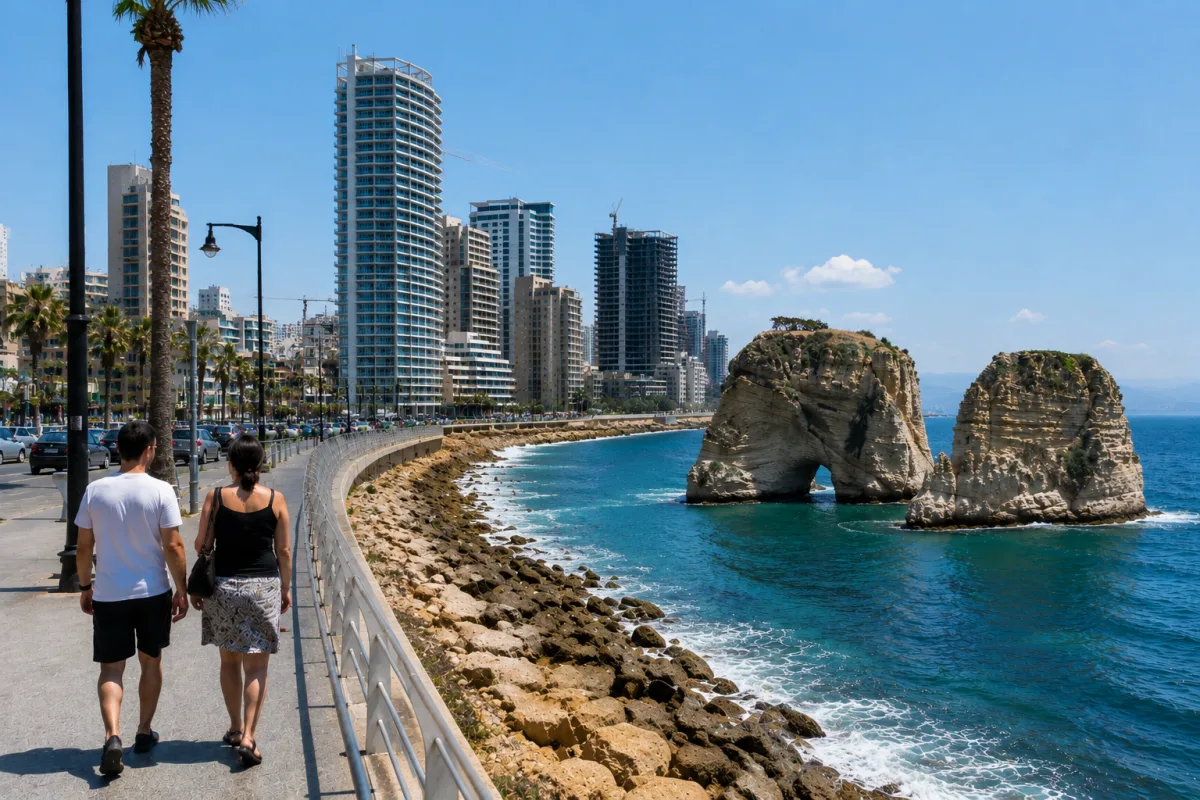
Assessment of Outdoor Thermal Human Comfort over Beirut City, Lebanon
March 2023

Assessment of Outdoor Thermal Human Comfort over Beirut City, Lebanon

Published in the Journal of Environmental Sciences (JES), Ain Shams University — Vol. 52, Issue 3, March 2023.

Authors: Dr. Ali A. Shaar, Dr. Ismail I. Abbas, El-Sayed M. Robaa, Mohammed S. Mostafa et al.

This study applied Thom's Discomfort Index (DI), Kibler Discomfort Index (THI1) and the NOAA Discomfort Index (THI2) to assess the trend of thermal
discomfort in Beirut City over the period 1999–2021. Temperature and relative humidity data from Beirut Rafic Hariri International Airport station were analyzed. Seasonal variations were identified, with increased thermal stress occurring mainly during Summer, while Spring and Winter showed improved comfort conditions. December, January and February were comparatively comfortable (DI < 21), while from May to September over 50% of the population experienced discomfort (DI: 25–27). An upward trend in annual average air temperatures and a downward trend in relative humidity were detected, reflecting the impacts of urbanization and industrialization on Beirut's local climate.

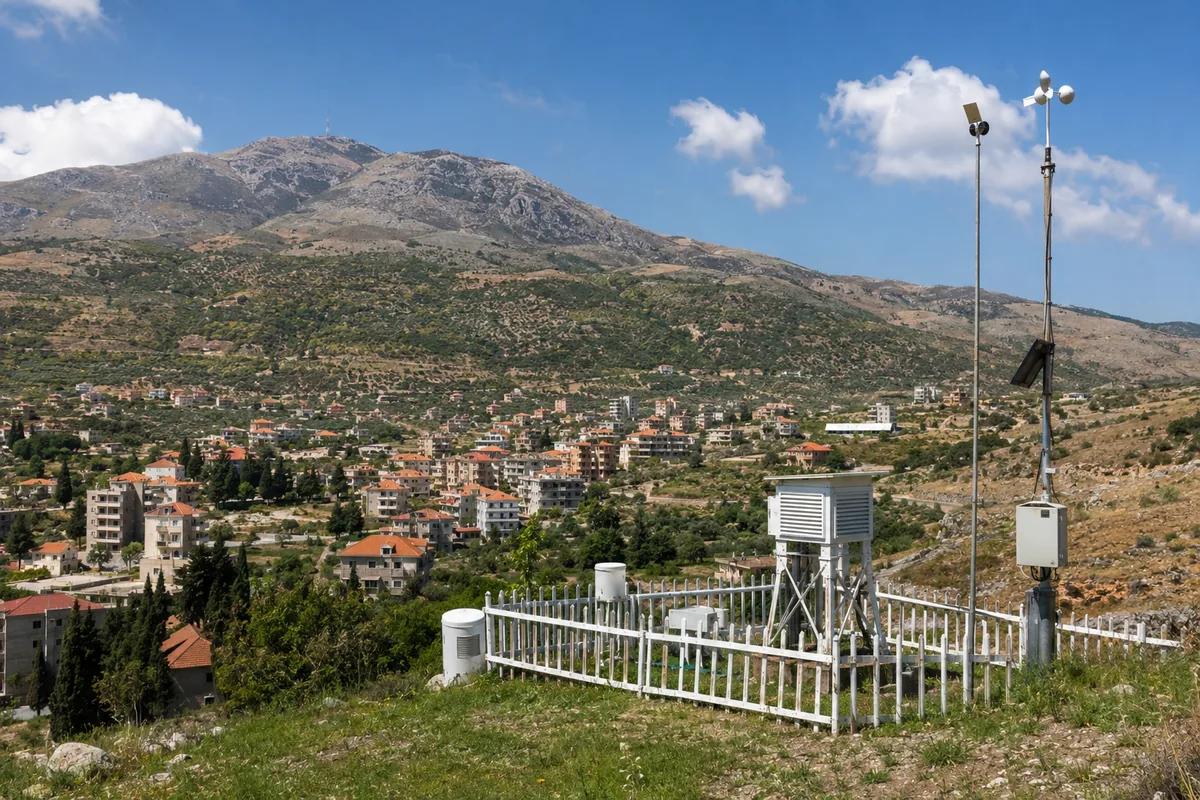
Assessment of Outdoor Thermal Human Comfort over Houche Al-Oumara, Zahle, Lebanon

Assessment of Outdoor Thermal Human Comfort over Houche Al-Oumara, Zahle, Lebanon

Published in the BAU Journal - Science and Technology, Vol. 7, Issue 1 [2025], Art. 4 — DOI: 10.54729/2959-331X.1171.

Authors: Dr. Ali A. Shaar and others.

This study applied Thom's Discomfort Index (DI) and the NOAA Discomfort Index (THI) to assess outdoor thermal human comfort over Houche Al Oumara (Bekaa Valley, Lebanon) over the period 1994–2021, identifying seasonal variations and long-term trends in thermal comfort conditions.

Biosorption of Pb²⁺ by Green Marine Algae (Enteromorpha) — Lebanon

Biosorption of Pb²⁺ by Green Marine Algae (Enteromorpha) — Lebanon

Presented at the WATMED Conference (Water in the Mediterranean) — Lebanon, 2006.

Authors: H.H. Hammud, E.M. Mansour, Ali El-Shaar, M. Akkileh, W. Mustapha, S. Shaalan — Faculty of Science, Beirut Arab University, Lebanon; and Alexandria University, Egypt.

This study investigated the biosorption of lead (Pb²⁺) ions by green marine algae Enteromorpha, harvested from the Lebanese coast at Manara (Riviera shore, Beirut). Lead uptake capacity reached 70 mg/g at optimum pH 3.0 in column experiments, with equilibrium achieved within 20 minutes. The Freundlich adsorption isotherm model was applied, and FTIR/thermal analyses were performed before and after adsorption.

Adsorption of Mercuric Ion by Marine Algae Enteromorpha

Adsorption of Mercuric Ion by Marine Algae Enteromorpha

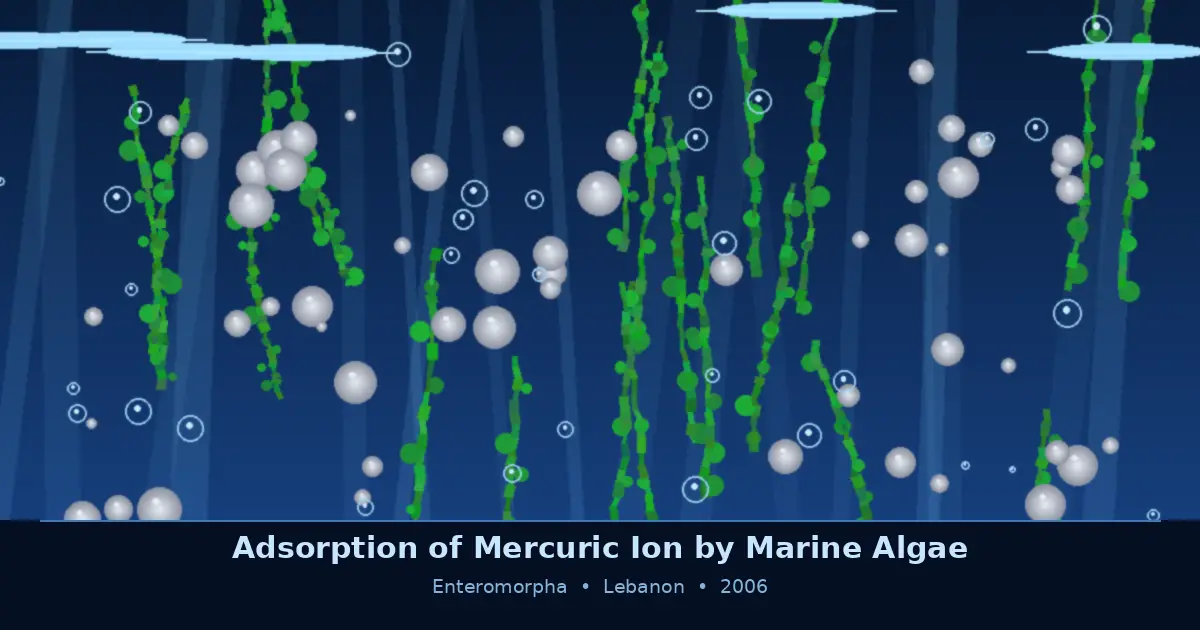
This study investigates the capacity of the green marine alga Enteromorpha to adsorb mercuric ions (Hg²⁺) from aqueous solutions. Conducted by researchers from Beirut Arab University (Lebanon) and Alexandria University (Egypt) and published in the International Journal of Applied Chemistry (Vol. 2, No. 2, 2006), the work demonstrates a maximum mercury uptake of 43.0 mg/g under column conditions at optimal pH 7.0, with equilibrium reached within 16 minutes of stirring. The Temkin adsorption isotherm and kinetic-thermodynamic model best described the system. At 400 ppm initial concentration, 77% removal efficiency was achieved with an uptake of 25.7 mg/g, highlighting the strong potential of this locally available marine biomass for industrial wastewater remediation.

Adsorption Studies of Lead by Enteromorpha Algae and Its Silicates Bonded Material

Adsorption Studies of Lead by Enteromorpha Algae and Its Silicates Bonded Material

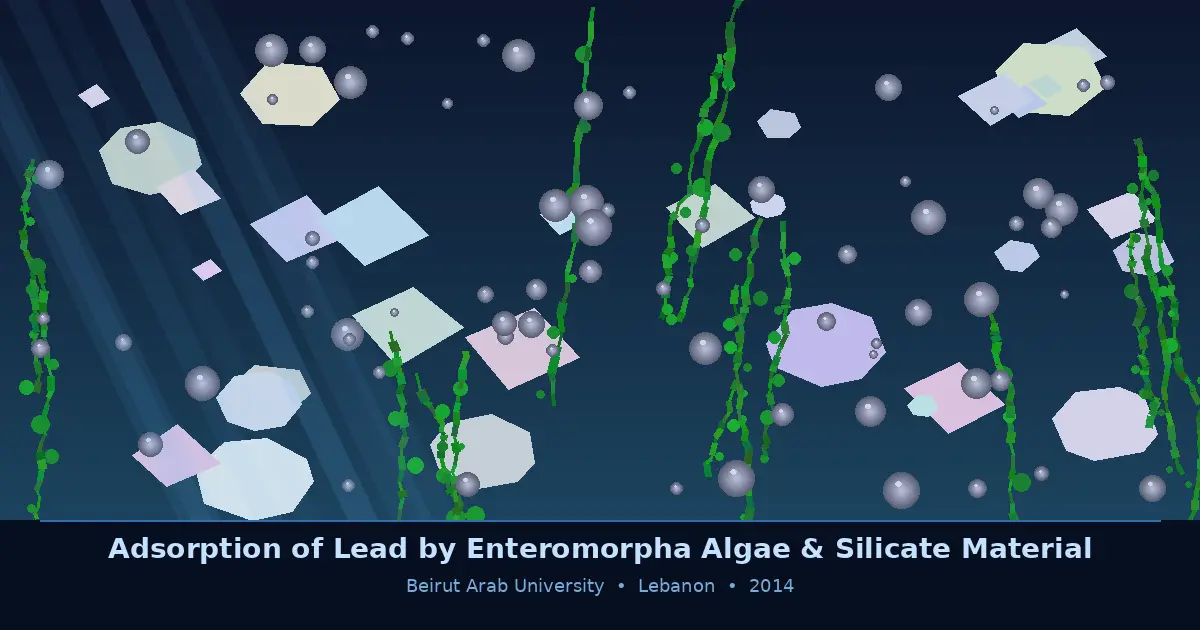
This study examines the capacity of the green marine alga Enteromorpha to adsorb lead ions (Pb²⁺) from aqueous solutions, both in its raw form and after chemical modification with sodium silicates. Dr. Ali El-Shaar and co-authors from Beirut Arab University, in collaboration with Egyptian research institutions, published this work in Advances in Chemistry (Hindawi, 2014, Article ID 205459). The maximum Langmuir adsorption capacity reached 83.8 mg/g for raw algae (E) at optimal pH 3.0, and an exceptional 1433.5 mg/g for silicate-modified algae (EM) — more than 17 times higher. FTIR and thermal analysis confirmed lead binding to the algal biomass. Column experiments showed 64.2% lead removal from a 200 ppm solution using raw algae, and 60.6% removal from a 1000 ppm solution using modified algae. The Thomas and Yoon-Nelson kinetic models best described the column behavior for raw algae, while the Yan model was optimal for silicate-modified algae. These results highlight the strong potential of locally available Lebanese marine biomass for low-cost heavy metal wastewater remediation.

Study: Solid Waste Management in Lebanon — Challenges and Recommendations

Study: Solid Waste Management in Lebanon — Challenges and Recommendations

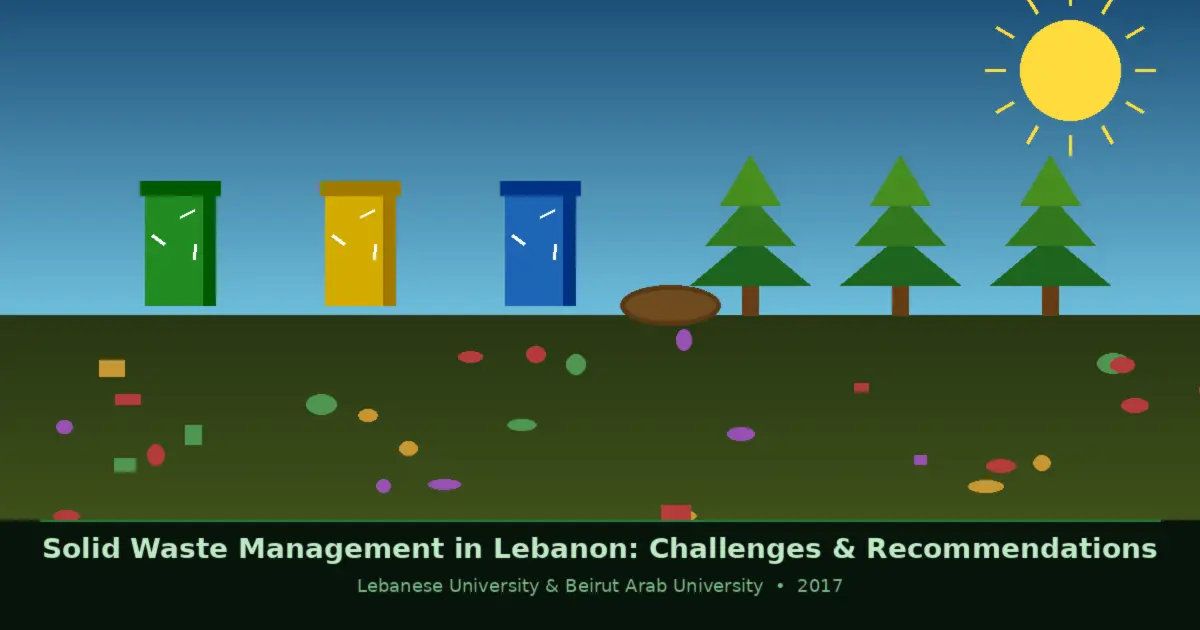
This study by Dr. Ali Shaar and co-authors from the Lebanese University and Beirut Arab University, published in the Journal of Environment and Waste Management (Vol. 4, No. 2, 2017), evaluates current solid waste management (SWM) practices in Lebanon and proposes key policy recommendations. Lebanon generates approximately 2.04 million tons of municipal solid waste per year at a rate of 1.05 kg per capita per day. Waste composition is dominated by organic materials (52%) and recyclables (37%), yet only 8% is recycled and 15% composted, while 48% is disposed of in sanitary landfills. Open dumping and uncontrolled burning are prevalent outside Beirut and Mount Lebanon. Adequate treatment is lacking for wastes from slaughterhouses, hospitals, and industrial premises. The study identifies corruption, lack of technical skills, insufficient funding, and poor public awareness as root causes of the crisis. Recommendations include implementing an integrated SWM plan, enforcing segregation at source, strengthening municipal capacity, and promoting public-private partnerships.

The Pathway for Achieving Sustainable Aviation Fuel Production in the MENA Region

The Pathway for Achieving Sustainable Aviation Fuel Production in the MENA Region

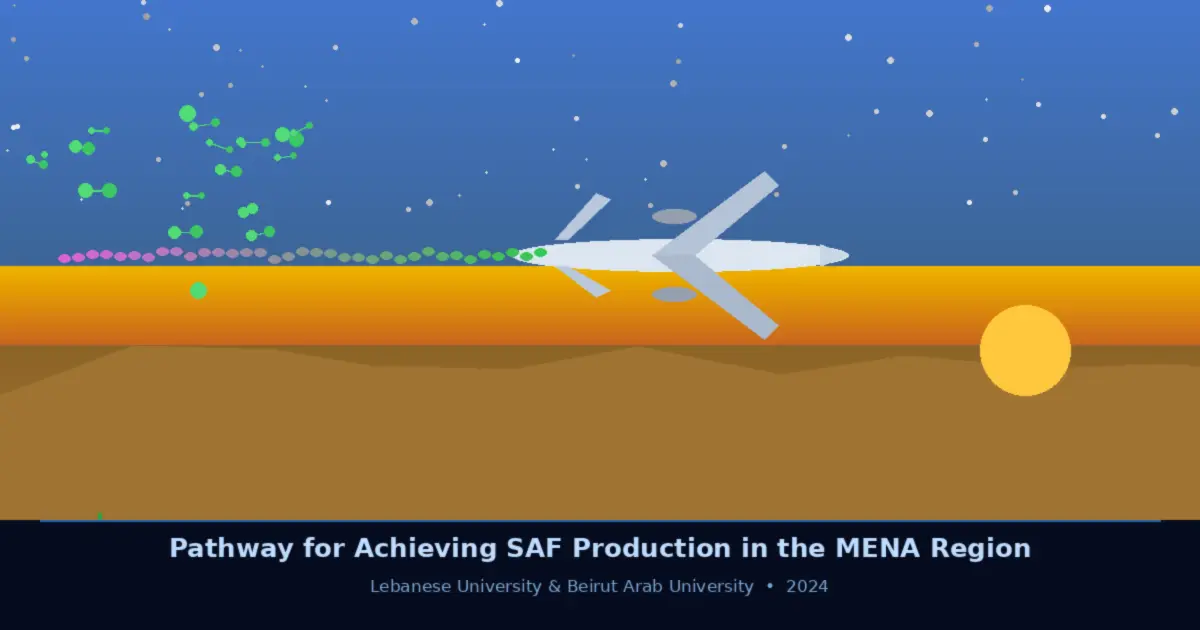
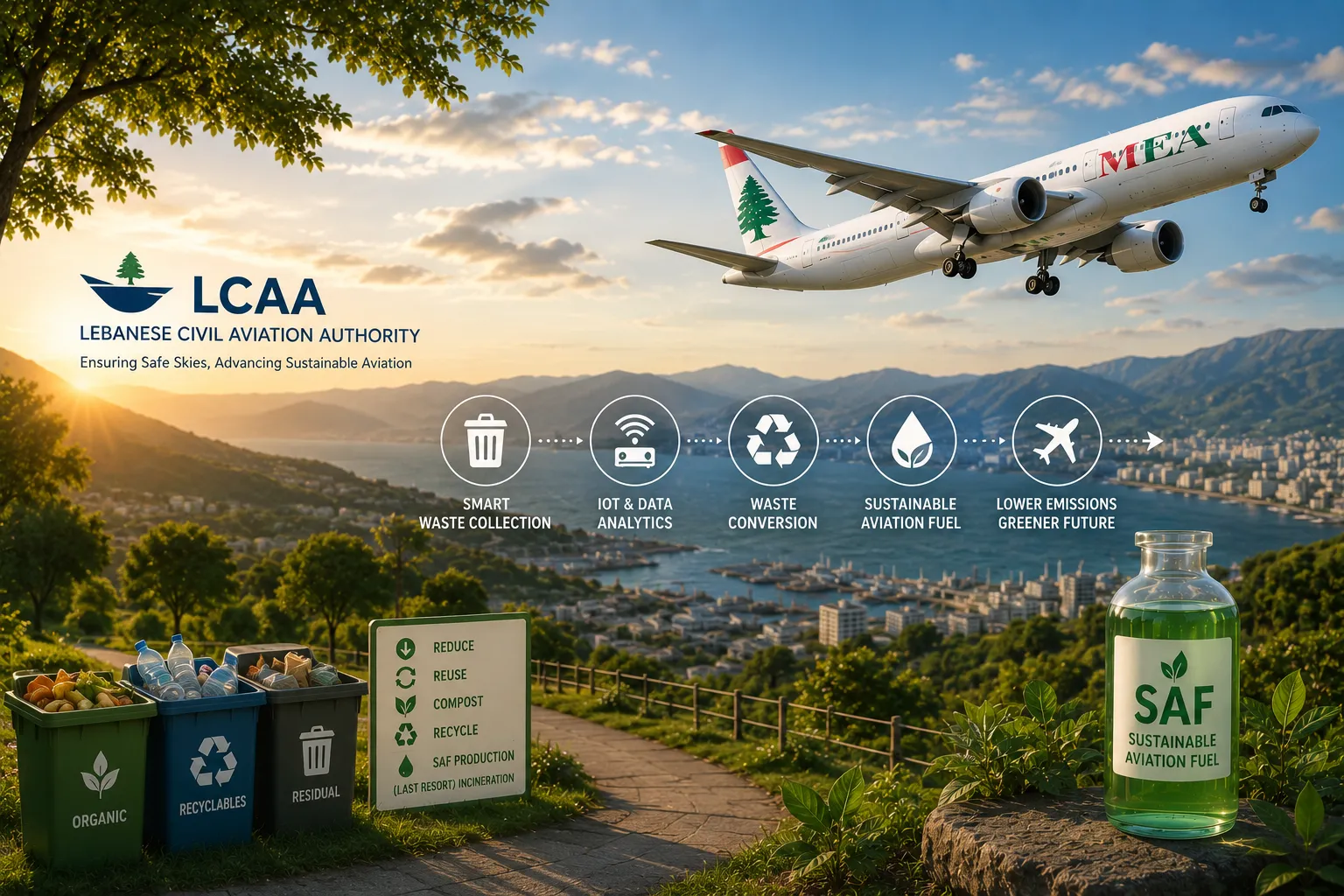
This study by Dr. Ali Shaar and co-authors from the Lebanese University, the Directorate General of Civil Aviation, and Beirut Arab University, published in Environmental Progress and Sustainable Energy (Wiley, DOI: 10.1002/ep.14395, 2024), examines the challenges and opportunities for producing sustainable aviation fuel (SAF) in the Middle East and North Africa region. The MENA region faces significant hurdles including high production costs, limited feedstock availability, and underdeveloped infrastructure. However, it possesses diverse feedstock options such as saltwater-tolerant crops (Salicornia), municipal solid waste, used cooking oil, date palm residues, and animal wastes. Proposed conversion technologies include hydroprocessing, Fischer-Tropsch synthesis, and alcohol-to-jet processes. The study proposes a comprehensive strategy encompassing regional collaboration, R&D investment, policy harmonization, market incentives, and monitoring mechanisms. Lebanon specifically contributes 2.04 million tons per year of MSW and 3.20 million tons of animal wastes as potential feedstocks. The CAAF/3 conference in Dubai (November 2023) set a global goal to reduce CO2 emissions in aviation by 5% through SAF by 2030, reinforcing the urgency of this roadmap.

Aveniology: Aviation Environmental Protection Science — A Strategic Vision and New Perspectives

Aveniology: Aviation Environmental Protection Science — A Strategic Vision and New Perspectives

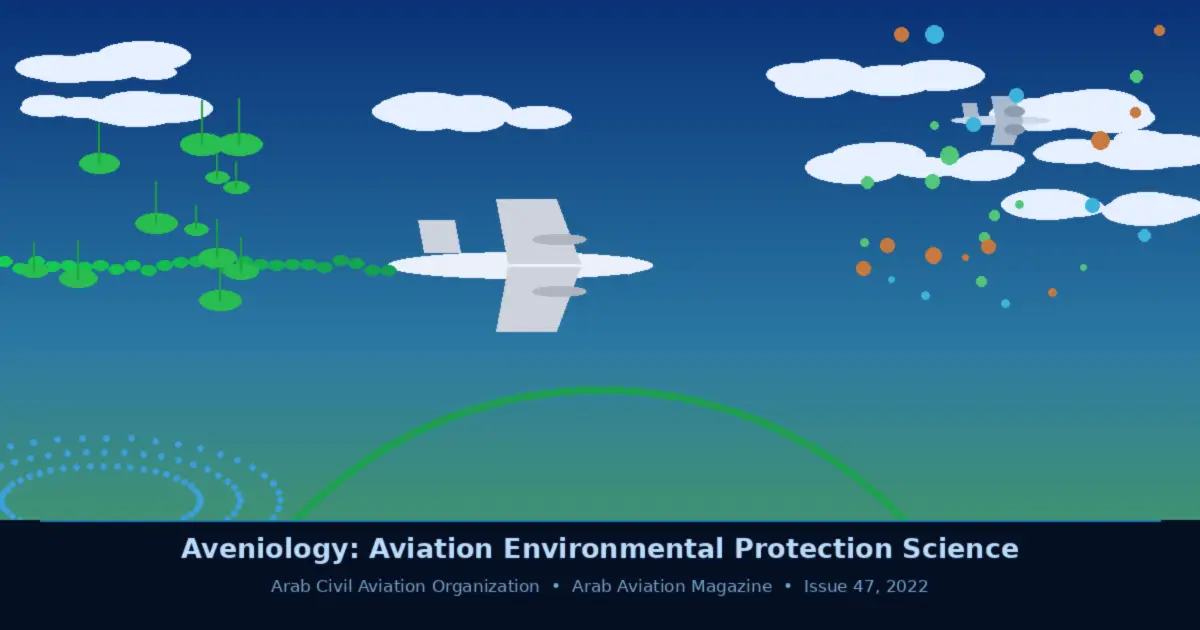
In this article published in Arab Aviation Magazine (Issue 47, June 2022), the official journal of the Arab Civil Aviation Organization, Dr. Ali Adnan Al-Shaar, Head of the General Climates Section at the Directorate General of Lebanese Civil Aviation, introduces a new scientific term: Aveniology, defined as the science concerned with studying the impacts and interactions of all air transport industry activities on the environment and living organisms. The discipline covers Monitoring, Reporting and Verification (MRV) of aircraft emissions, including volatile and non-volatile particulate matter, noise, heat, and greenhouse gases across all domestic and international flights and ground operations. It also addresses air quality management, airport solid waste and wastewater treatment, sustainable aviation fuel (SAF), and mitigation strategies for global warming. This article marks the first official publication of the term and serves as a prelude to a comprehensive bilingual glossary of scientific and technical terms in aviation environmental protection, to be published by Ibda Publishing House in Beirut. The Aveniology website at aveniology.net provides further information on this emerging discipline.

Meteorological Department in Lebanon: Between Past and Present (1921–2010)

Meteorological Department in Lebanon: Between Past and Present (1921–2010)

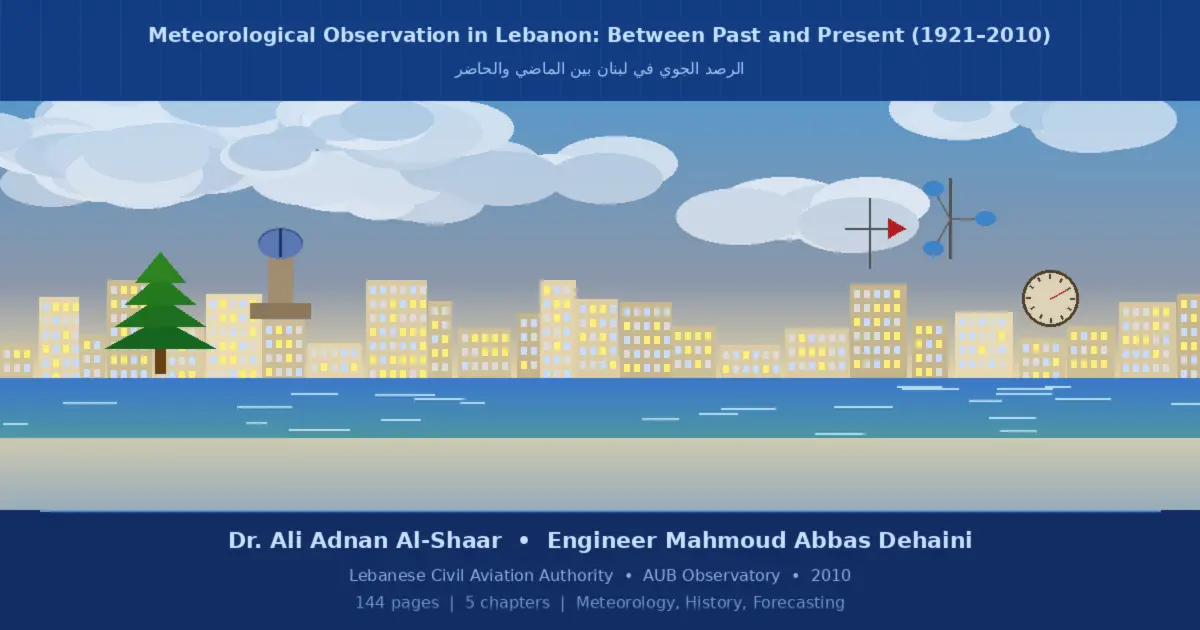
This reference book, published in 2010, is the first comprehensive scientific record of the history of meteorological observation in Lebanon, spanning 144 pages across five chapters with appendices and sources. It was authored by Dr. Ali Adnan Al-Shaar and Engineer Mahmoud Abbas Dehaini of the Directorate General of Lebanese Civil Aviation, with a foreword by Dr. Hamdi Shawq, Director General of Lebanese Civil Aviation. Chapter one traces the history of meteorology across ancient, Islamic, and Western civilizations. Chapter two documents the history of meteorological observation in Lebanon, beginning with the AUB Observatory established in 1874, through the Ksara Observatory which operated from 1903 to 1978, to the founding of the first official Lebanese meteorological institution in 1921. The remaining chapters cover Lebanon's weather station network, methods of preparing weather forecasts, and the meteorological services provided for civil and military aviation, maritime and land navigation, agriculture, medicine, and environmental protection.